The blending modes feature is one of Photoshop’s most undervalued tools for Photographers. Blending modes can be used to alter the ways in which each layer interacts with the layers below it, allowing for endless possibilities when it comes to setting the right tone or adding artificial lighting.
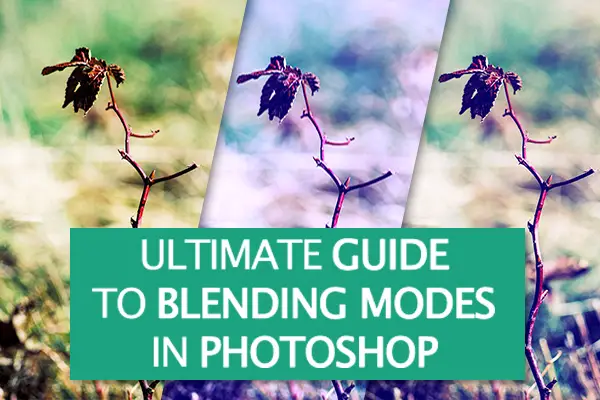
Graphic designers and digital illustrators use blending modes all the time to create interesting lighting effects or textures; however, most digital photographers don’t realize that blending modes can be useful when working with photographs, too. The right combination of blending modes can set a dramatic tone that is otherwise difficult to achieve. Read more…
Photography can be an expensive hobby but if you’ve got a tiny bit of DIY skill, a few tools, and some free time then there are plenty of DIY photography projects to have a go at. Here are five worth a try:
Camera Chest Strap – designed to allow you to take photos while spinning a child around with two hands, though I imagine you could use to photograph any number of things while using your two hands in other activities. Looks like fun to play with and only requires scissors, some strong material, a needle and thread, and a luggage strap to make.
Remote Shutter Release – mainly for Canon cameras but apparantly also works with some Pentax and Nikon ones too. This requires a cheap handsfree phone headset and a knife and claims to be “so easy a 1st grader could do it”!
Photo Puzzle Blocks – You know those puzzles for little kids that are made of wooden blocks? Well, here’s how to make one with your own photo (or photos) printed on.
Digital Picture Frame – This won’t be saving you any money (it costs around $100 to make) but it will make you way cooler than your other digital picture frame owning friends!
A Sort of Flexible Tripod Arm Thing – Originally here but now more simply explained on Photojojo this looks cool and has multi-purposeness just oozing from it!

Need a new camera? Why not print and build your own?
A somewhat bizarre collection of images of surgery. Not for the squeamish. [via]
PDN has published a list of 30 new and emerging photographers to watch in 2008. (Photo by Dustin Snipes, right)
Ross Ching shares a behind-the-scenes look at how he made the movie Eclectic 2.0, a mesmerizing short film made exclusively from still photographs.
My D70, like most digital cameras, has a USB port that allows me to connect it to my computer and download photos. Many cameras also allow you to control them using your computer when they are connected. This is called tethered shooting. You click the shutter and a few seconds later the photo is displayed in all its glory on your big screen monitor. This can come in extremely handy in studio situations. It’s a great trick for quickly checking that you’re capturing the shots you want without squinting at a 2 or 3 inch LCD.
On a lark it occurred to me to do something goofy with my camera (more on that in a minute). On the way to crazy town I came up with a way to do basic tethered shooting on Linux.
Read more…
On the off chance that I’m not the last photographer in the world to hear about stringpods, allow me to introduce them. A stringpod is a pocket-sized alternative to a tripod or monopod. It is a way to stabilize a handheld camera using a piece of string, a 1/4-inch bolt with a #20 thread, and a few washers. Essentially it works like this: the photographer secures one end of a string to the bottom of the camera. The other end of the string drops to the floor and the photographer steps on it. By pulling up on the camera gently, the string gets taut and helps to stabilize the camera.
I suspect that the MacGyver-quality of this little tool is what gives it such broad appeal (MacGyver is a television action hero known for inventing quirky tools from common items). Last week I found at least five images of stringpods, as well as numerous instructions how to make them. At least one flickr photographer showed a simple stringpod, while another showed a similar tool made using a thin chain instead of string. I even saw a video showing not only a stringpod, but also a bottlepod and bag-o-rice pod. Believe me, it’s worth taking a look.
I have not yet tried making my own stringpod, but I would be interested in hearing from folks who have.